Doggie Taste Buds

Dog-Taste-Buds nuvet labs pet health tips and advices2

A dog sometimes picks up what appears to be a really yucky morsel. He may carry it around in his mouth or even eat it! The thought that it must taste awful leaps to mind. You know that the tidbit just can’t taste good. The dog, however, seems to find it yummy. The sense of … Read more

Why Dogs Roll in Smelly Stuff

Dogs-Roll-in-Smelly-Stuff

Veterinary behaviorists are not sure why dogs like to roll in smelly stuff, but several theories exist. Many are based on the idea that the practice is an instinctive behavior passed on through generations of canines. The origin of such a behavior is not known, but the speculations are quite intriguing. A suggestion that has … Read more

Why Dogs Hoard

Why-Dogs-Hoard

Have you ever found your dog’s kibble hidden in the couch cushions or his favorite toy in your tennis shoe? Putting things in ‘secret’ places may seem an unusual occupation for your dog, but he is just following age old instincts. Fifty million years ago dog-like critters came on the scene, but it was only … Read more

A Dog’s Eye View of the World

NuVet Labs Reviews

It is interesting to consider what your dog surveys when he looks out on the world. A toy dogs eyes are about 8 inches above the ground. A Pomeranian walking through tall grass might feel he is in the midst of a jungle. A medium sized dog like a Beagle would probably be able to … Read more

National Adopt a Greyhound Month

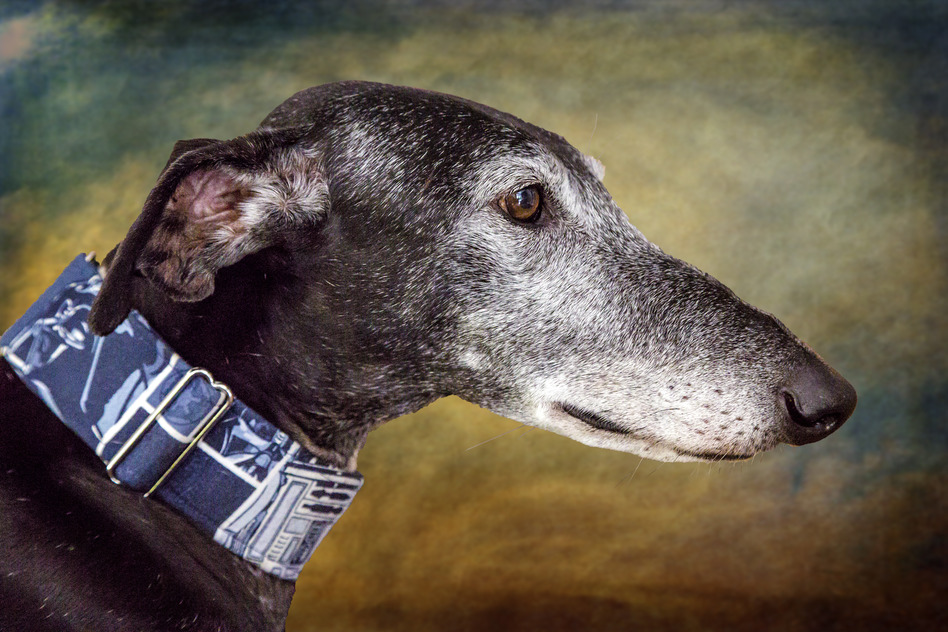
Early cave drawings over 8,000 years old depict the elegant breed. Popularity continued through the years. The Egyptians worshiped Greyhounds as gods. According to legend, Cleopatra had coursing Greyhounds. The dogs were so revered that images of Greyhounds appear on the tomb walls of Egyptian kings. Admiration of the breed has endured, and today Greyhounds … Read more

Your Dog Remembers Your Scent

NuVet Plus

You smell an apple pie baking in the oven. Much later, you close your eyes and remember the wonderful aroma. Your sense of smell and your memory of fragrances are great, but your dog’s are better. His sense of smell is 10,000 to 100,000 times more sensitive and his aroma memory bank is amazing. A … Read more

Leap into Spring with Your Dog

NuVet Labs

Winter was a wonderful time for you and your dog to spend cuddling together as couch potatoes. The holidays kept you busy, but the inclement weather and short days made laid back snuggle time a must. Spring has officially arrived. Days are getting longer and the weather is warmer. Some of you may still be … Read more

National Dog Fighting Awareness Day

dog-fighting-awareness-nuvet-labs-reviews

Although dog fighting only recently started appearing in the media, dog fighting is not new. Learn about dog fighting and how you can help stop dog fighting through awareness.

April 8th is  National Dog Fighting Awareness Day, comes just once a year. You can help spread awareness and perhaps even help stop dog fighting year-round.

Dog Fighting Basic Information

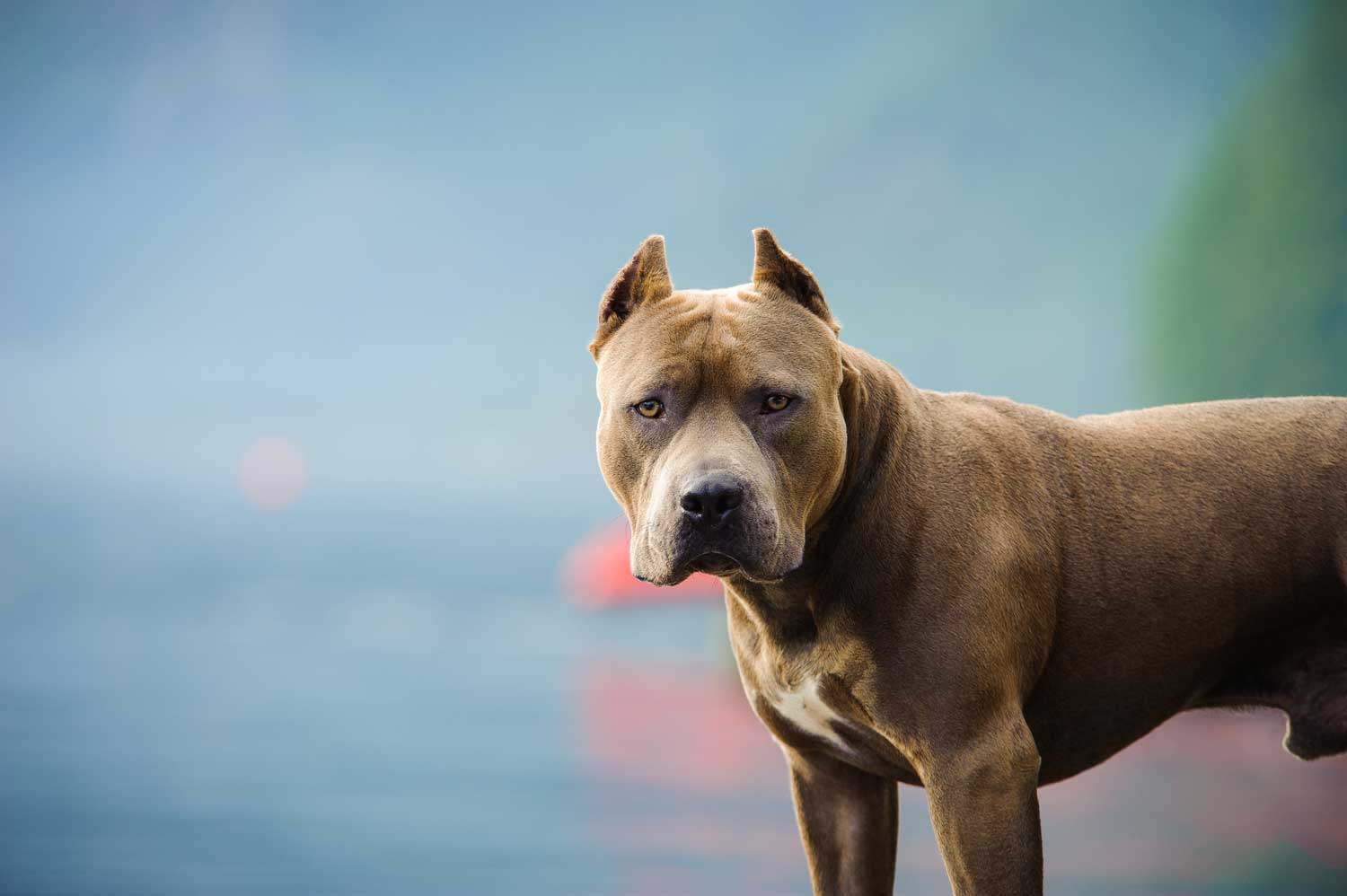
The American Society for the Prevention of Cruelty to Animals (ASPCA) defines dog fighting as “A type of blood sport in which dogs are forced to fight one another for the entertainment and/or profit of spectators.” The Humane Society of the United States calls dog fighting a “sadistic contest” between two dogs specifically raised and trained to fight. An owner may use a smaller or weaker dog to train a more vicious dog before a fight for profit.

Dog fighting can and often does result in severe injury or death to the “loser” of the fight. The dog may not die right away but linger in agony for days.

One fact about dog fighting not known to many people is that dog fighting started long ago. History shows that dog fighting dates back to the mid-1700s, becoming more prevalent during and after the Civil War. Some people apparently brought dogs to the United States from England and Ireland for the specific purpose of dog fighting.

Recognizing the brutality and cruelty of dog fighting is also not new. ASPCA Professional explains that Henry Bergh, founder of the ASPCA, revised state laws in 1867, making all forms of animal fighting illegal. Unfortunately, this did little to stop the vicious act of dog fighting, a profitable venture for the owner or “sponsor” of dogfights.


RELATED: 7 Reasons That Will Make You Want to Foster a Dog

Modern-Day Attempts Aimed At Stopping Dog Fighting

Today, dog fighting is a felony in all 50 states; however, as pointed out by the ASPCA, “Dog fighting continues to be a popular underground activity.”

Dog fighting often involves other criminal activities such as weapons or drugs violations and is not the rare activity that some people assume.

National Dog Fighting Awareness Day is designated to increase awareness of dog fighting, and encourage people to learn how to spot potential dog fighting activities. Dogs used for fighting often live in isolation or on very short chains. They may exhibit injuries indicative of fighting. Multiple dogs kept on chains is another sign of dog fighting activity.

Follow tips suggested by the Humane Society of the United States to educate yourself so you can spread awareness and help stop dog fighting. Use social media to spread the word. Educate your neighbors about the horrors of dog fighting. Notify law enforcement if you suspect dog fighting in your neighborhood.

Dogs rescued from dog fighting rings that recover and find forever homes need the love and care not provided to them in the past. They can develop the healthy bodies and strong immune systems that dogs need to develop and thrive.


Sources:
http://www.humanesociety.org/issues/dogfighting/tips/dogfighting_action.html
http://www.aspca.org/animal-cruelty/dog-fighting
http://www.aspca.org/about-us/press-releases/aspca-declares-april-8-national-dog-fighting-awareness-day
http://www.aspcapro.org/resource/disaster-cruelty-animal-cruelty-animal-fighting/dogfighting-faq
http://www.humanesociety.org/issues/dogfighting/facts/dogfighting_fact_sheet.html

Dogs And Their Built In “Pooping Compass”

As a dog owner, you have no doubt watched your pet snoop and circle to find just the right spot to lift a leg, squat, or leave a poop deposit. It sometimes seems quite a chore for him. Once his mission is complete, you are left to scoop the poop for proper disposal. You may use lavender scented bags to make the job a bit more pleasant.

You probably never give much more thought to your pet’s elimination habits after you clean up. Science is taking the knack of pooping one step farther. Research is looking at whether your dog aligns himself North-South or East-West when he poops and pees.

Zoologist Hynek Burda of Germany’s University of Duisburg-Essen noted that many animals are sensitive to the magnetic field of the earth. It is well established that birds, bats, turtles, whales, salmon and even lobsters are affected by “animal magnetism” to navigate.

There is strong evidence that a bird’s eye can actually see the earth’s magnetic field and uses it as a compass as he migrates. Scientists have determined that baby sea turtles have their own internal version of GPS that keeps them heading in the right direction as they make 8,000 mile round trip journeys in the Atlantic Ocean.

Dogs-And-Their-Built-In-Pooping-Compass
Believe It Or Not- Dogs Poop North to South

Other animals apparently use the magnetic field for purposes other than navigation. They align their bodies with the magnetic field lines. For example, herd animals including grazing and resting cattle, red and roe deer, and hunting red foxes tend to situate themselves on the North-South axis. It seems that they are involuntarily drawn to line up with the magnetic field.

Acknowledging the many different species including mammals that are sensitive to the earth’s magnetic field, Burda and a team of researchers chose to look for examples of the expression of magnetic alignment in dogs. They studied the elimination habits of 70 dogs of 37 breeds for a period of two years. That amounted to recording 1,893 defecations and 5,582 urinations. The dogs were observed in a free-roaming environment with no leashes, walls, roads or other obstacles that would influence their linear movement.

The researchers also took into account other factors like wind direction, sun position and curiosity and made sure their influence was negligible. The scientists found that when the magnetic field was calm, the dogs preferred to have their bodies aligned with the North-South axis to defecate. The dogs completely avoided East-West orientation. However, small variations in the earth’s magnetic field caused the dogs to totally lose their alignment preference for North-South.

It is unclear why dogs prefer the North-South axis and avoid East-West. It is possible that they perceive the compass direction through their senses. Perhaps they “see”, “hear”, or “smell” the magnetic field and consciously align North-South. Another possibility is that they receive the magnetic influence on a vegetative level and simply feel better or more comfortable when aligned North-South and feel worse or less comfortable when in the East-West orientation.

Burda and his group suggest their findings encourage further research concerning how animals use magnetic fields for direction. Science has not begun to scratch the surface of how directional magnosensitivity works nor why it is beneficial to animals.

Become a scientific detective, and make your own observations. Take a compass when you walk your dog. Your findings will not add scientific data points, but you can have fun determining how often your dog aligns on the North-South axis to pee and poop. According to Burda’s conclusions, your pet will probably line up with the earth’s magnetic field more often than not. If that is not the case, you may be left to wonder if there is a disturbance in the magnetic field where you live.

7 Reasons That Will Make You Want to Foster a Dog

NuVet Plus Reviews

Fostering a dog is a great way to find out if dog care really is for you. It means that you will be taking care of a dog for the time being. You can do everything you would with your own dog such as bring them on a walk or take them to the dog … Read more